
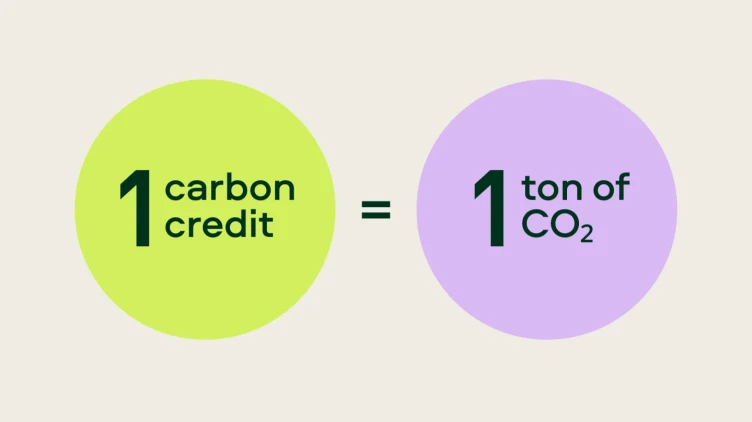
In the rapidly evolving landscape of sustainability, carbon credits are emerging as a vital tool to address climate change by enabling organizations to offset their carbon emissions. But what exactly are carbon credits, and how can they benefit your organization? Let’s explore this concept and its implications for businesses and the environment.
What Are Carbon Credits?
Carbon credits are tradable certificates that represent the reduction or removal of one metric ton of carbon dioxide (CO₂) or its equivalent in other greenhouse gases. These credits can be earned through various projects, such as reforestation, renewable energy, or carbon capture initiatives, which help to either prevent emissions or actively remove CO₂ from the atmosphere. By purchasing carbon credits, companies can offset their carbon footprint, thereby contributing to global emission reduction efforts.
How Do Carbon Credits Work?
Project Certification: Organizations that generate carbon credits undertake projects aimed at reducing or removing carbon emissions. These projects are rigorously certified by independent bodies to ensure they deliver genuine environmental benefits. Examples include renewable energy installations, forest conservation, and carbon capture technologies.
Credit Issuance: Once a project is verified, it is issued a certain number of carbon credits based on the amount of CO₂ reduced or removed. Each credit represents one metric ton of carbon dioxide that has been mitigated or sequestered.
Purchase and Offset: Companies can purchase these credits to offset their own carbon emissions, enabling them to meet sustainability goals and comply with regulatory requirements. This not only helps them manage their carbon footprint but also supports initiatives that contribute to a lower carbon future.
Benefits of Carbon Credits
Environmental Impact: By funding projects that reduce or remove CO₂, companies contribute directly to mitigating climate change, which has far reaching effects on global ecosystems and human livelihoods.
Regulatory Compliance: As carbon regulations tighten worldwide, carbon credits offer a flexible way for businesses to meet legal requirements and avoid potential fines, especially in industries with hard to abate emissions.
Enhanced Brand Reputation: Participating in carbon credit programs showcases a company’s commitment to sustainability, potentially enhancing its brand reputation and attracting eco conscious consumers and investors.
Investment in Innovation: Supporting carbon credit projects can drive innovation in clean technologies and sustainable practices, fostering a more resilient and sustainable economy.
Carbon credits offer a powerful tool for businesses aiming to mitigate their carbon emissions while supporting global efforts to combat climate change. By understanding how they work and choosing high quality projects, companies can make meaningful contributions to sustainability while enhancing their own environmental credentials. As the world intensifies its fight against climate change, embracing carbon credits could be a crucial step toward a more sustainable and responsible future.
#CarbonCredits #CarbonEmission #CO2 #GHG
Originally published by Dulshan Godakumbura on LinkedIn.



 United Arab Emirates
 Sri Lanka
While larger corporations often have complex data security systems in place, small businesses can also fall victim to a cyber attack if they do not take steps to protect themselves