
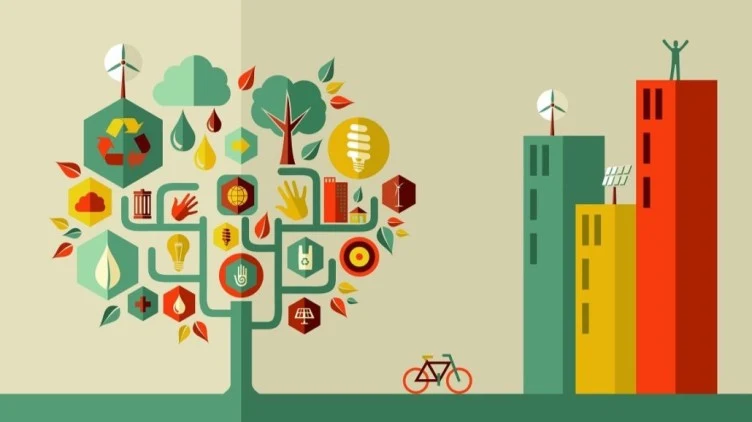
In today's dynamic business landscape, Sustainability is critical driver of business value. Companies worldwide are realizing that integrating sustainability into their core operations can yield significant competitive advantages. The growing body of evidence linking sustainability practices to enhanced business performance and long term value creation underscores this shift.
Innovation and Profitability
Sustainability acts as a catalyst for innovation, compelling companies to develop novel, environmentally friendly products and processes that are also economically viable. A McKinsey & Company report underscores this, revealing that early adopters of sustainable practices often enjoy up to 20% higher profitability than their peers.
Brand Reputation and Consumer Trust
Consumer preferences are evolving. According to Nielsen, 66% of global consumers are willing to pay a premium for products and services from companies committed to positive social and environmental impact. This growing consumer inclination towards sustainability highlights its pivotal role in brand differentiation and fostering enduring customer loyalty.
Investor Confidence and Financial Performance
Investors are increasingly prioritizing sustainability. The 2023 Global Sustainable Investment Review indicates that sustainable investment assets surged to $35.3 trillion, constituting 36% of all professionally managed assets globally. Companies with robust sustainability strategies are perceived as lower risk investments with promising long term growth potential, making them more attractive to investors.
Regulatory Compliance and Risk Mitigation
The tightening regulatory environment, European Union's Green Deal and the Paris Agreement, is driving businesses towards sustainable practices. Adherence to these regulations is crucial for avoiding penalties and maintaining operational efficiency. However, sustainability goes beyond mere compliance. it's a strategic opportunity to manage risks, such as supply chain disruptions and reputational damage effectively.
Stakeholder Engagement and Circular Economy
Building strong relationships with stakeholders is essential for successful sustainability initiatives. Engaging customers, employees, suppliers, and communities fosters a shared commitment to environmental and social responsibility. Embracing circular economy principles, which focus on reducing waste and creating value through resource, can further enhance a company's sustainability profile.
Data, Technology, and Measurement
Data analytics and digital technologies are essential tools for monitoring and improving sustainability performance. By leveraging these tools, companies can identify areas for improvement, track progress, and communicate their sustainability efforts transparently to stakeholders.
While the benefits of sustainability are clear, companies may encounter challenges such as upfront costs, skill gaps, and resistance to change. However, overcoming these hurdles is essential to capitalize on the vast opportunities that sustainability presents. By adopting a long term perspective, measuring and reporting progress effectively, and staying informed about emerging trends, businesses can navigate the complexities of sustainability and achieve lasting success.
By integrating sustainability into their core strategies, companies can unlock innovation, enhance brand reputation, attract investors, and contribute to a more sustainable future.
#Sustainability #BusinessSustainability #BusinessValue
References
- McKinsey & Company. (2022). "The Business Value of Sustainability."
- Nielsen. (2021). "The Sustainability Imperative."
- Global Sustainable Investment Alliance. (2023). "2023 Global Sustainable Investment Review."
- European Commission. (2023). "The European Green Deal."
Originally published by Dulshan Godakumbura on LinkedIn.



 United Arab Emirates
 Sri Lanka
While larger corporations often have complex data security systems in place, small businesses can also fall victim to a cyber attack if they do not take steps to protect themselves