
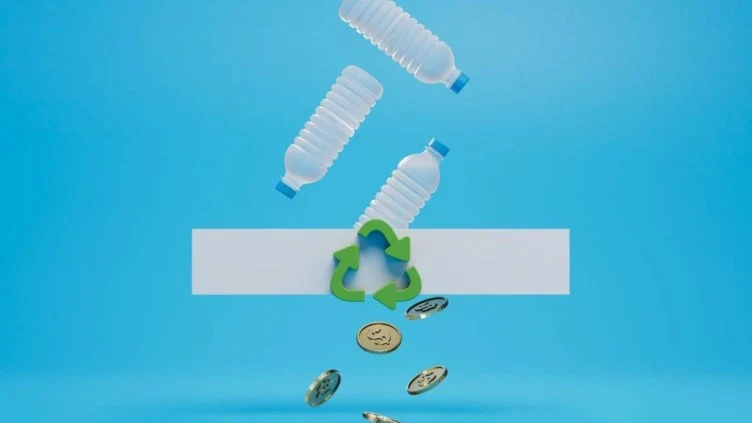
In the ever evolving landscape of sustainability, plastic credits are emerging as a key mechanism to address plastic pollution. These credits offer a promising solution for businesses striving to reduce their environmental footprint and contribute to a circular economy. But what exactly are plastic credits, and how can they benefit your organization? Let’s delve into the concept and explore its implications for businesses and the environment.
What Are Plastic Credits?
Plastic credits operate on a principle similar to carbon credits, where companies can offset their plastic usage by funding projects that prevent or recycle plastic waste. These projects are typically verified and certified by independent organizations to ensure that they meet specific environmental standards. By purchasing plastic credits, companies can claim to have offset their plastic consumption, effectively balancing their environmental impact.
How Do Plastic Credits Work?
1. Project Certification: Organizations that want to generate plastic credits undertake projects aimed at reducing plastic waste. These can range from community-based recycling programs to innovative waste management technologies. Projects are certified by third-party standards to ensure they deliver genuine environmental benefits.
2. Credit Issuance: Once a project is verified, it is issued a certain number of plastic credits based on the amount of plastic waste it has managed or prevented. Each credit represents a specific quantity of plastic that has been effectively handled.
3. Purchase and Offset: Companies purchase these credits to offset their own plastic usage. This not only helps them meet their sustainability goals but also supports initiatives that contribute to waste reduction and environmental preservation.
Benefits of Plastic Credits
- Environmental Impact: By supporting projects that reduce or manage plastic waste, companies contribute directly to alleviating plastic pollution, which has severe impacts on marine life and ecosystems.
- Regulatory Compliance: As regulations around plastic usage become stricter, plastic credits can help businesses meet their legal requirements and avoid potential penalties.
- Enhanced Brand Reputation: Engaging in plastic credit schemes demonstrates a company’s commitment to sustainability, which can enhance brand reputation and attract environmentally conscious consumers.
- Investment in Innovation: Funding projects through plastic credits can drive innovation in waste management and recycling technologies, fostering a more sustainable future.
Plastic credits offer a valuable tool for businesses seeking to mitigate their environmental impact and support sustainable waste management initiatives. By understanding how they work and choosing reputable projects, companies can make meaningful contributions to reducing plastic pollution while enhancing their own sustainability credentials.
As the world continues to grapple with plastic waste challenges, embracing plastic credits could be a crucial step towards a more sustainable and responsible future.
#PlasticCredits #PlasticPollution #Sustainability
Originally published by Dulshan Godakumbura on LinkedIn.



 United Arab Emirates
 Sri Lanka
While larger corporations often have complex data security systems in place, small businesses can also fall victim to a cyber attack if they do not take steps to protect themselves